
The Shiny Touch
The Shiny Touch
Not sure which treatment? Book a free skin consultation with Paula
Book Now →Not sure where to start? Get a personalised skin assessment with Paula
Ready to begin your skin journey? Our team is here to help
Contact Us →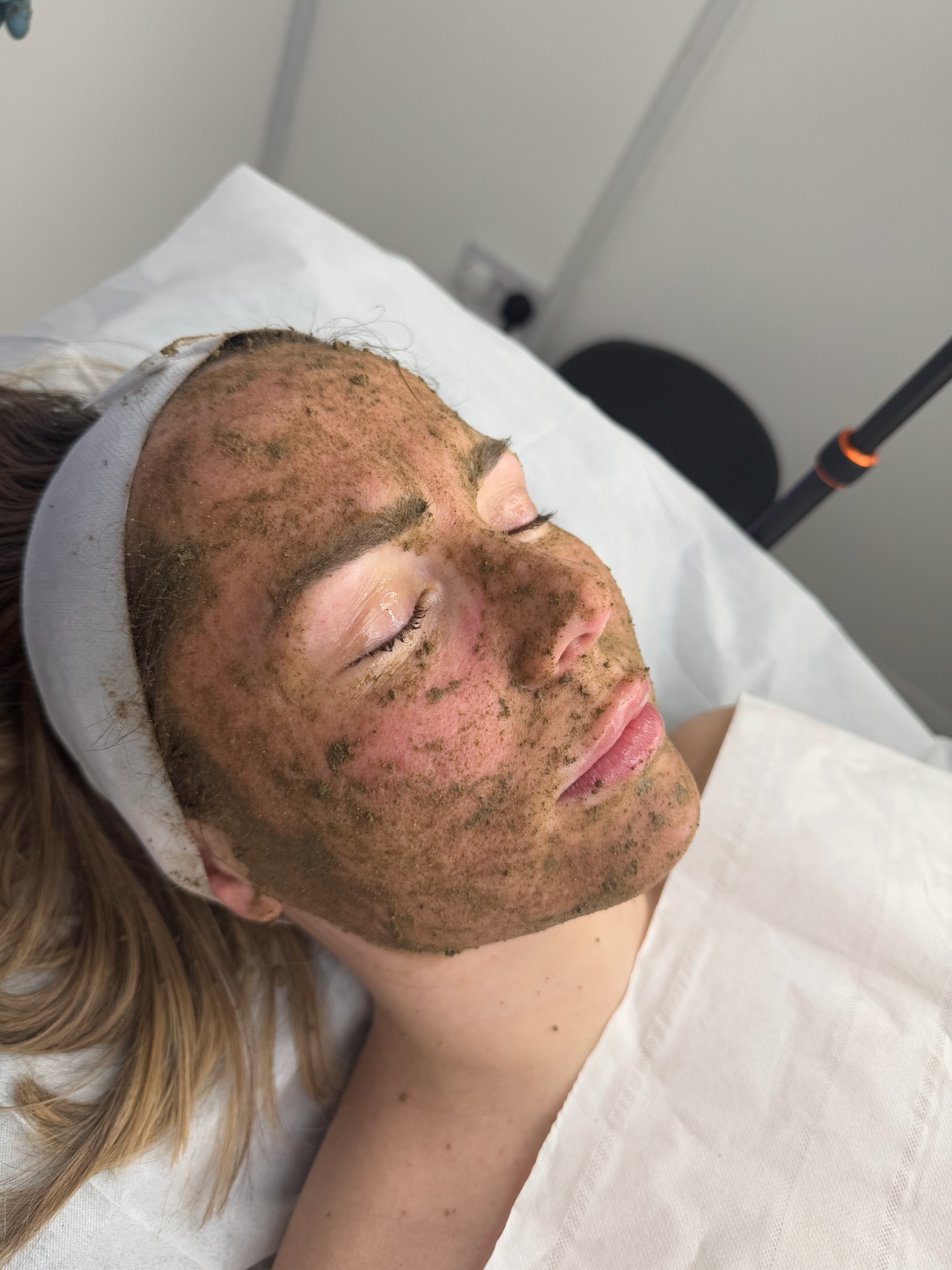
Precision fading of sun-induced dark spots and hyperpigmentation for a clearer, more even complexion.
Age spots — also called sun spots, liver spots, or solar lentigines — are flat, darkened areas of skin caused by years of UV exposure. They appear most commonly on the face, hands, shoulders, and décolletage; areas that receive the most sun. Despite being harmless, age spots can make the skin look older and uneven. At The Shiny Touch, Paula offers advanced treatments that selectively target pigmented cells to fade spots and restore a more luminous, even-toned complexion without harming surrounding skin.
Age spots are caused by an overproduction of melanin — the pigment that gives skin its colour — triggered by ultraviolet (UV) radiation. When skin is exposed to UV light, melanin production accelerates as a protective response. Over years of sun exposure, this melanin can cluster in concentrated patches rather than distributing evenly. Fair-skinned individuals and those with a history of frequent or intense sun exposure are most susceptible. Age spots are more common after the age of 40 but can appear earlier with significant sun exposure.
Paula will assess your skin, discuss your concerns, and recommend the most effective treatment plan for lasting results.
Book a Consultation Ask a QuestionConsultation fee refundable against treatment.
Paula will tailor a plan using one or more of these evidence-based treatments to achieve the best possible results for your skin.

Reveal smoother, clearer, younger-looking skin with precision laser renewal. CO2 Fractional Laser is...

Our signature 3-month skin transformation programme — designed for your skin, by AI and Paula. Four...

Advanced clinical resurfacing to transform your skin's texture, tone and clarity. Encompasses Medica...
True age spots (solar lentigines) are benign and pose no health risk. However, some pigmented lesions can resemble more serious conditions such as melanoma. Paula will assess any pigmented lesion carefully and, where there is any doubt, recommend you see a dermatologist before proceeding with treatment.
Treated spots are significantly reduced or eliminated, but new ones can form with continued UV exposure. Consistent SPF 50 use after treatment is essential to maintain results and prevent recurrence. Paula will advise on a protective skincare routine as part of your aftercare plan.
Most age spots respond well within 1–3 sessions. Deeper, older spots may require additional treatments. The number of sessions depends on spot depth, size, and your skin tone — Paula will give a realistic assessment at your consultation.
Yes. The hands are one of the most common areas for age spot accumulation and respond very well to our laser and resurfacing treatments. Paula can treat both the face and hands in the same session.
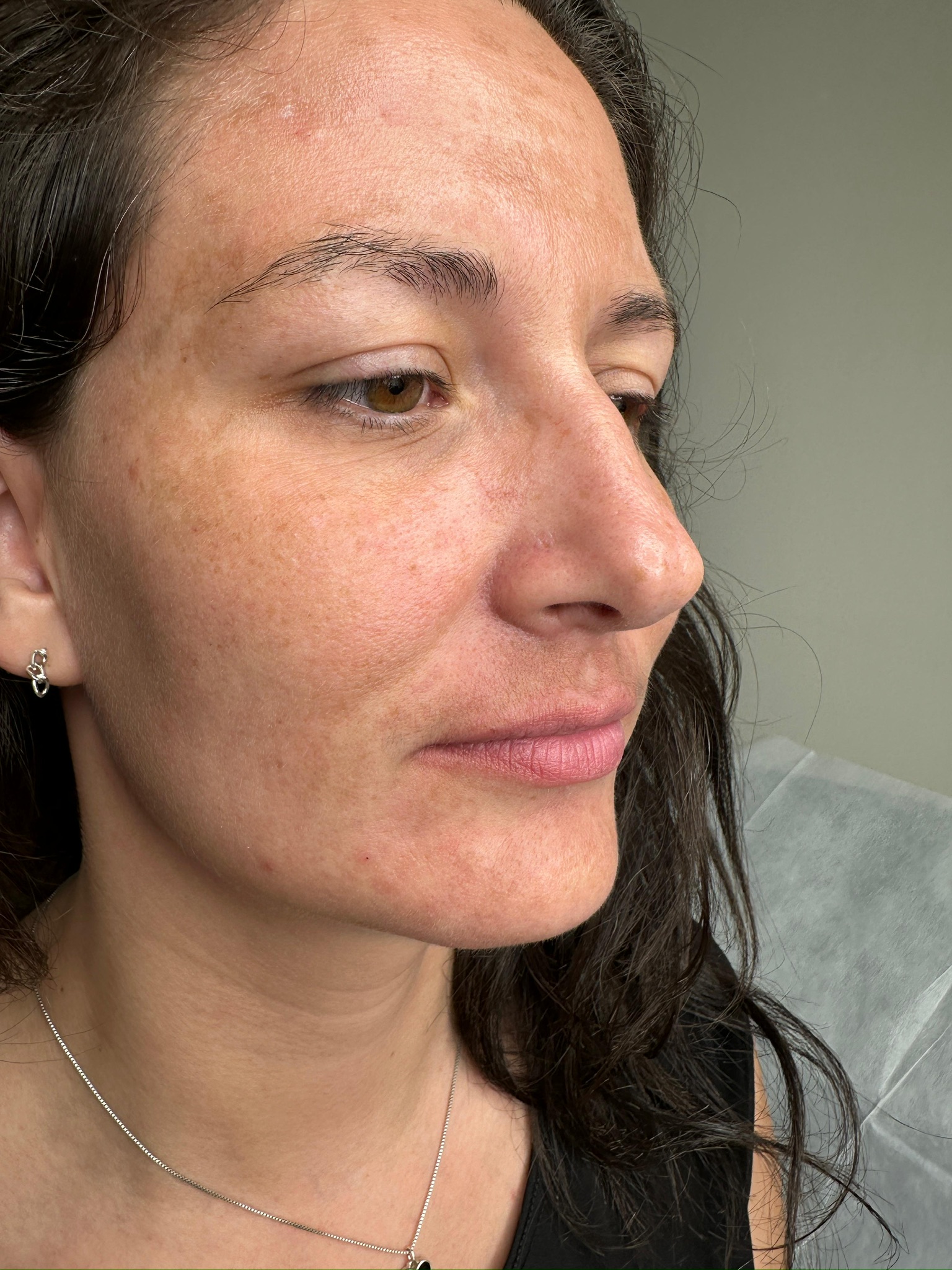
Correct uneven skin tone, melasma, and discolouration with advanced treatments f...
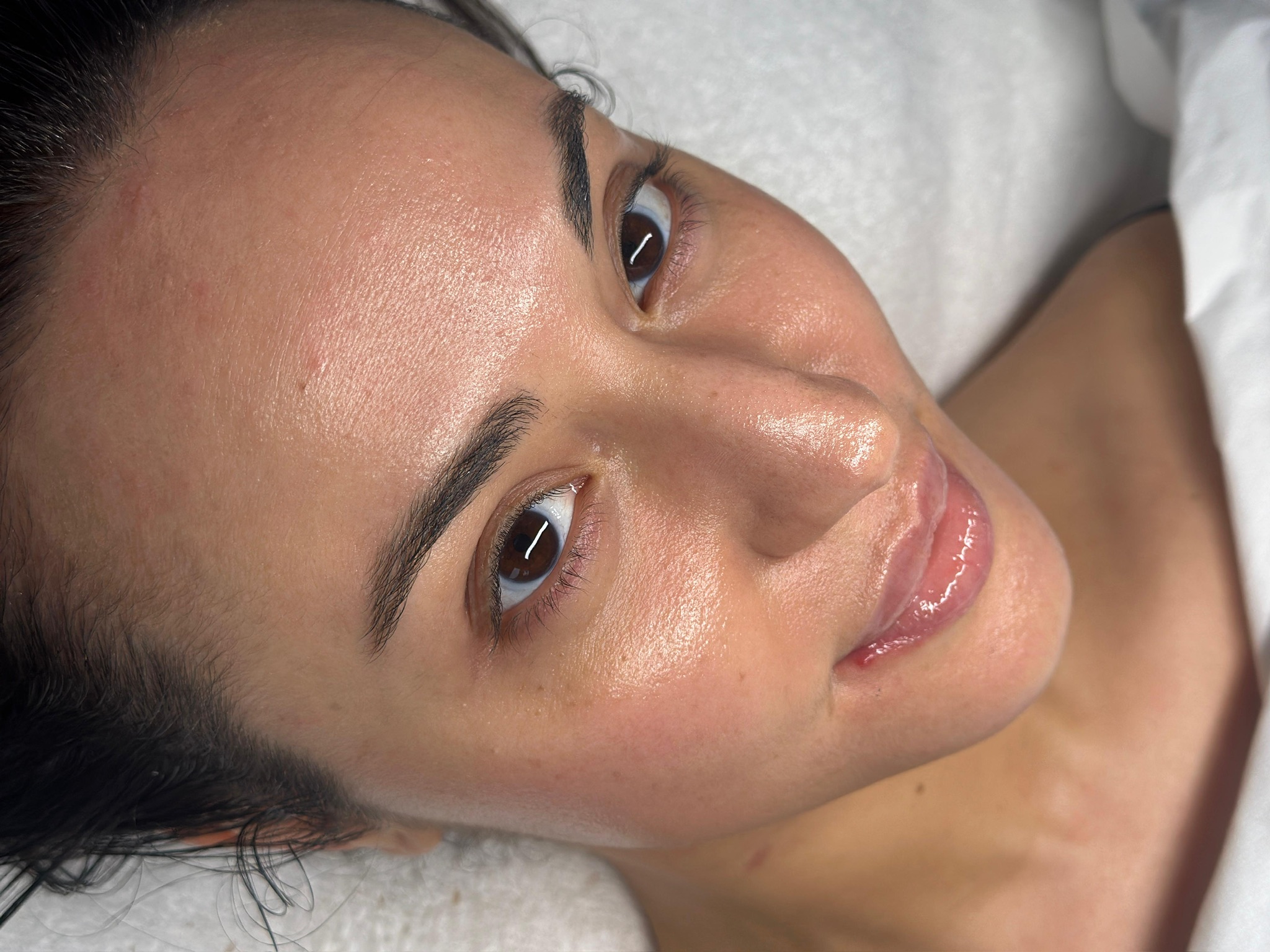
Restore deep hydration, radiance, and a healthy luminous glow with advanced skin...
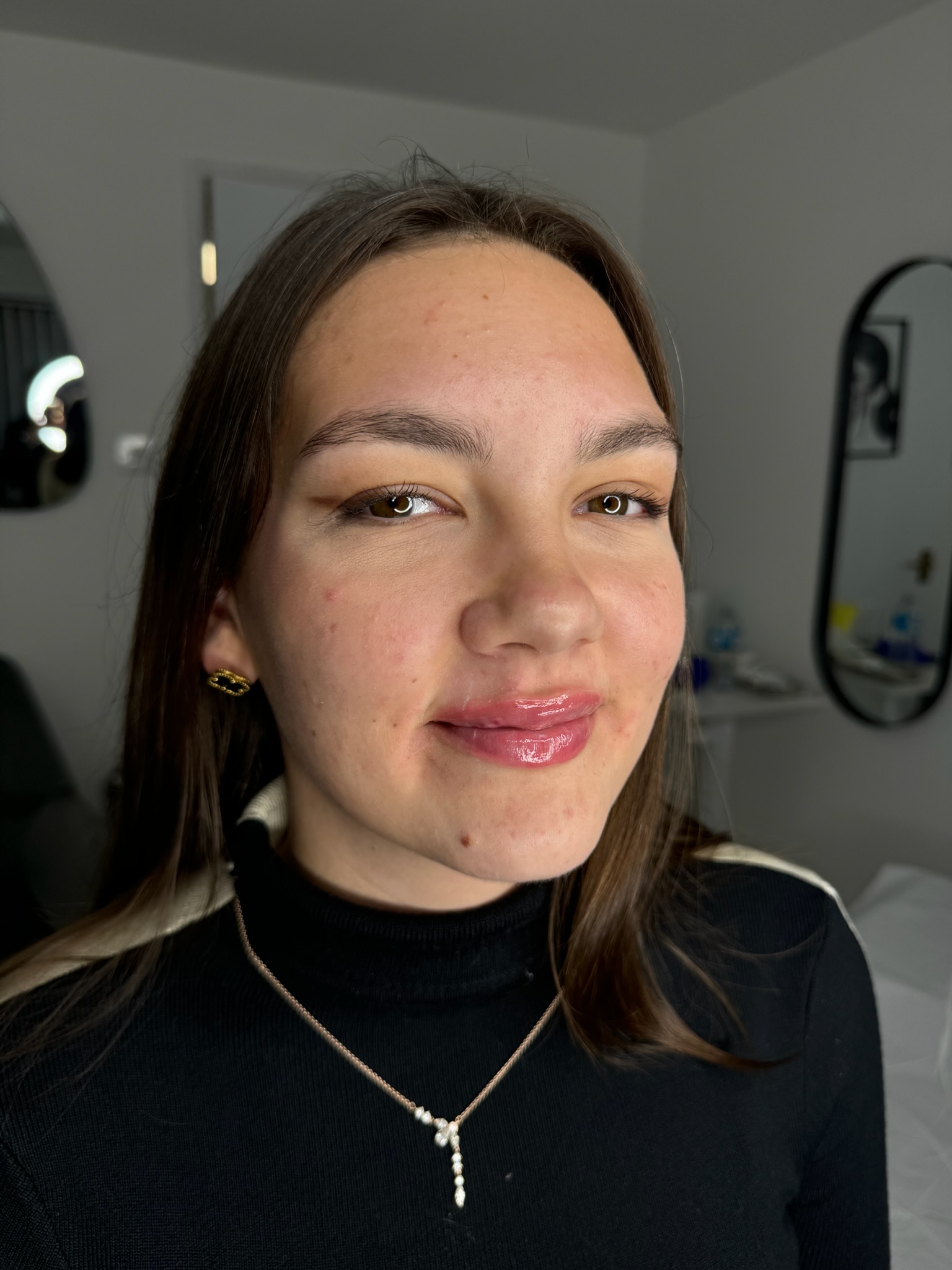
Restore smooth, even skin and fade post-acne marks with advanced skin resurfacin...
Book a clinical consultation with Paula. She'll create a personalised treatment plan based on your skin goals and concerns.
Online Booking
Browse treatments, choose a date & time and secure your appointment instantly through Fresha, our secure online booking partner.
Book through FreshaFree Consultation
Prefer to chat first? Request a free, no-obligation 45-minute consultation with Paula.
Your booking request has been received. Paula will be in touch shortly to confirm your appointment.


