
The Shiny Touch
The Shiny Touch
Not sure which treatment? Book a free skin consultation with Paula
Book Now →Not sure where to start? Get a personalised skin assessment with Paula
Ready to begin your skin journey? Our team is here to help
Contact Us →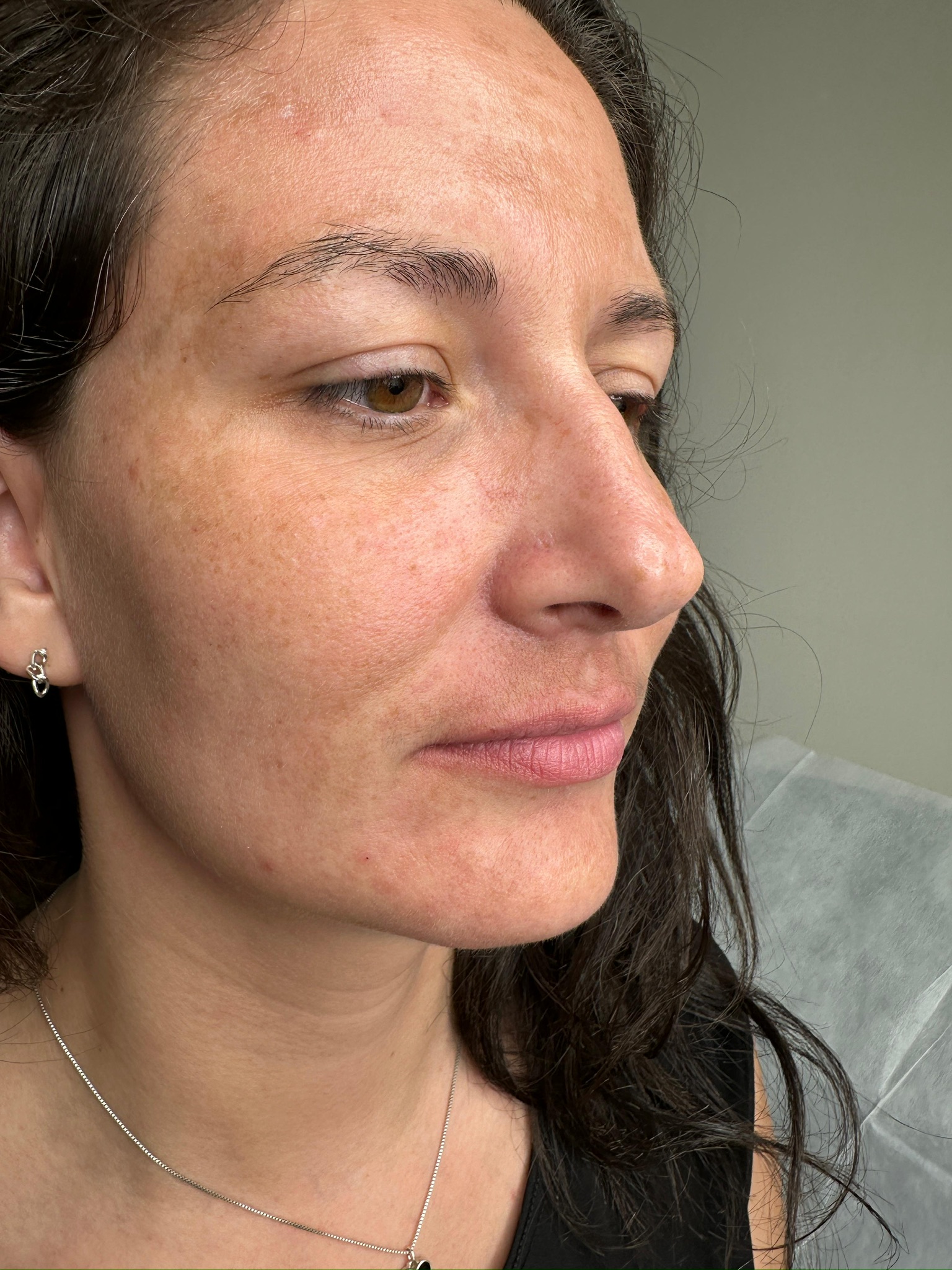
Correct uneven skin tone, melasma, and discolouration with advanced treatments for a clearer, more radiant complexion.
Pigmentation disorders are among the most common skin concerns seen at aesthetic clinics. They encompass a broad range of conditions — from the flat brown patches of melasma and post-inflammatory hyperpigmentation (PIH), to the discrete dark spots of solar lentigines and the diffuse uneven tone of sun damage. All involve an overproduction or irregular distribution of melanin, the pigment produced by melanocytes in the skin. At The Shiny Touch, Paula takes a comprehensive approach to pigmentation, combining in-clinic treatments that interrupt melanin production and resurface pigmented skin, with targeted aftercare to maintain and enhance the results.
Pigmentation has multiple causes. Sun exposure is the primary driver — UV radiation stimulates melanocytes to produce more melanin as a protective response, which over time leads to uneven distribution and dark patches. Hormonal changes (particularly during pregnancy or when using oral contraceptives) can trigger melasma, a stubborn form of pigmentation affecting the cheeks, forehead, and upper lip. Post-inflammatory hyperpigmentation (PIH) develops after skin inflammation from acne, eczema, injury, or procedures. Genetics also plays a role, with darker skin tones more prone to melanin overproduction.
Paula will assess your skin, discuss your concerns, and recommend the most effective treatment plan for lasting results.
Book a Consultation Ask a QuestionConsultation fee refundable against treatment.
Paula will tailor a plan using one or more of these evidence-based treatments to achieve the best possible results for your skin.

Reveal smoother, clearer, younger-looking skin with precision laser renewal. CO2 Fractional Laser is...

Our signature 3-month skin transformation programme — designed for your skin, by AI and Paula. Four...

Advanced clinical resurfacing to transform your skin's texture, tone and clarity. Encompasses Medica...
Activate your skin's natural repair cascade for transformative, lasting results. Clinical motor-driv...
Melasma is a chronic pigmentation condition triggered by UV exposure and hormones. It typically appears as symmetrical patches on the cheeks, forehead, nose, and upper lip. It is treatable but can be stubborn and prone to recurrence, particularly with sun exposure. A combination of professional treatments and strict, consistent SPF use gives the best long-term outcome. Paula will set realistic expectations and design a plan focused on progressive, maintained improvement.
Yes, but treatment selection is crucial. Some energy-based treatments (such as certain lasers) can cause post-inflammatory hyperpigmentation in darker skin tones if not used appropriately. Paula carefully assesses skin type and recommends the safest, most effective approach — which may involve gentler resurfacing techniques, skin boosters, or tailored protocols for melanin-rich skin.
Yes — strict sun avoidance and consistent SPF 50 use are non-negotiable after pigmentation treatments. UV exposure immediately after treatment can trigger new pigmentation and compromise the results achieved. Paula will advise on a full aftercare protocol including skincare recommendations.
The number of sessions depends on the type, depth, and chronicity of the pigmentation. Surface pigmentation such as recent age spots may respond in 1–2 sessions. Deeper, more established conditions such as melasma typically require a course of 4–6 sessions and ongoing maintenance. Paula will give a personalised assessment at your consultation.
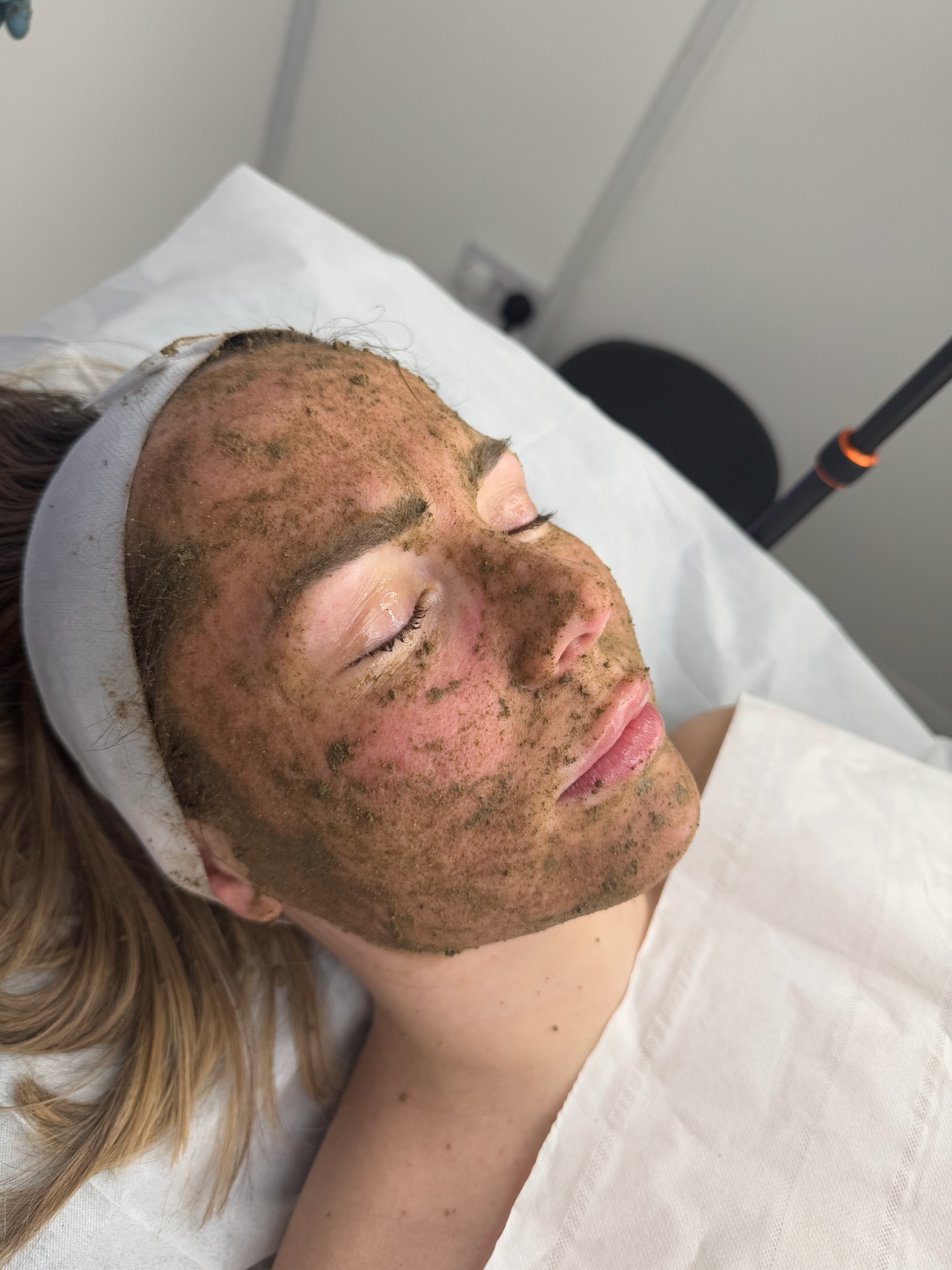
Precision fading of sun-induced dark spots and hyperpigmentation for a clearer,...
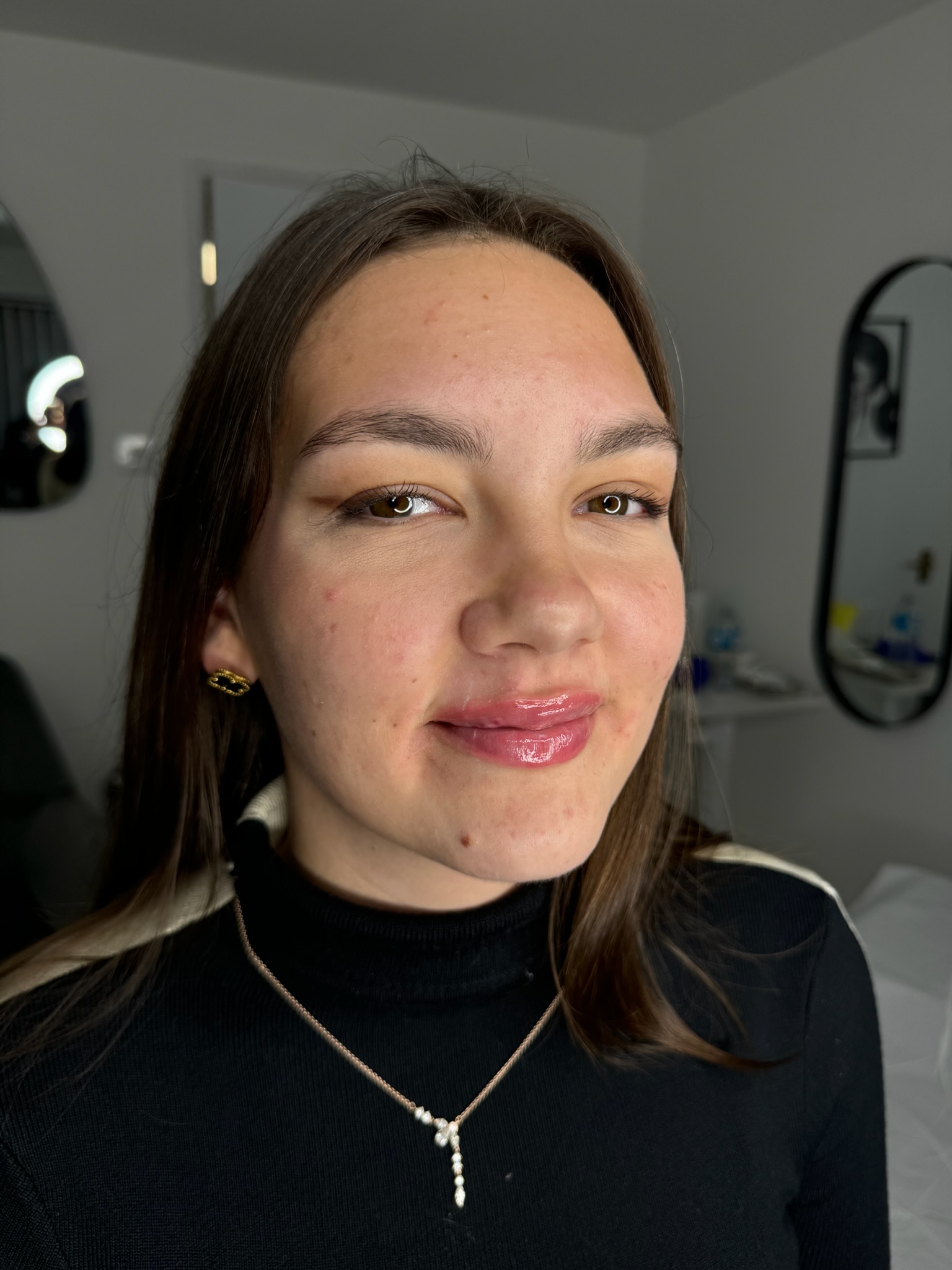
Restore smooth, even skin and fade post-acne marks with advanced skin resurfacin...
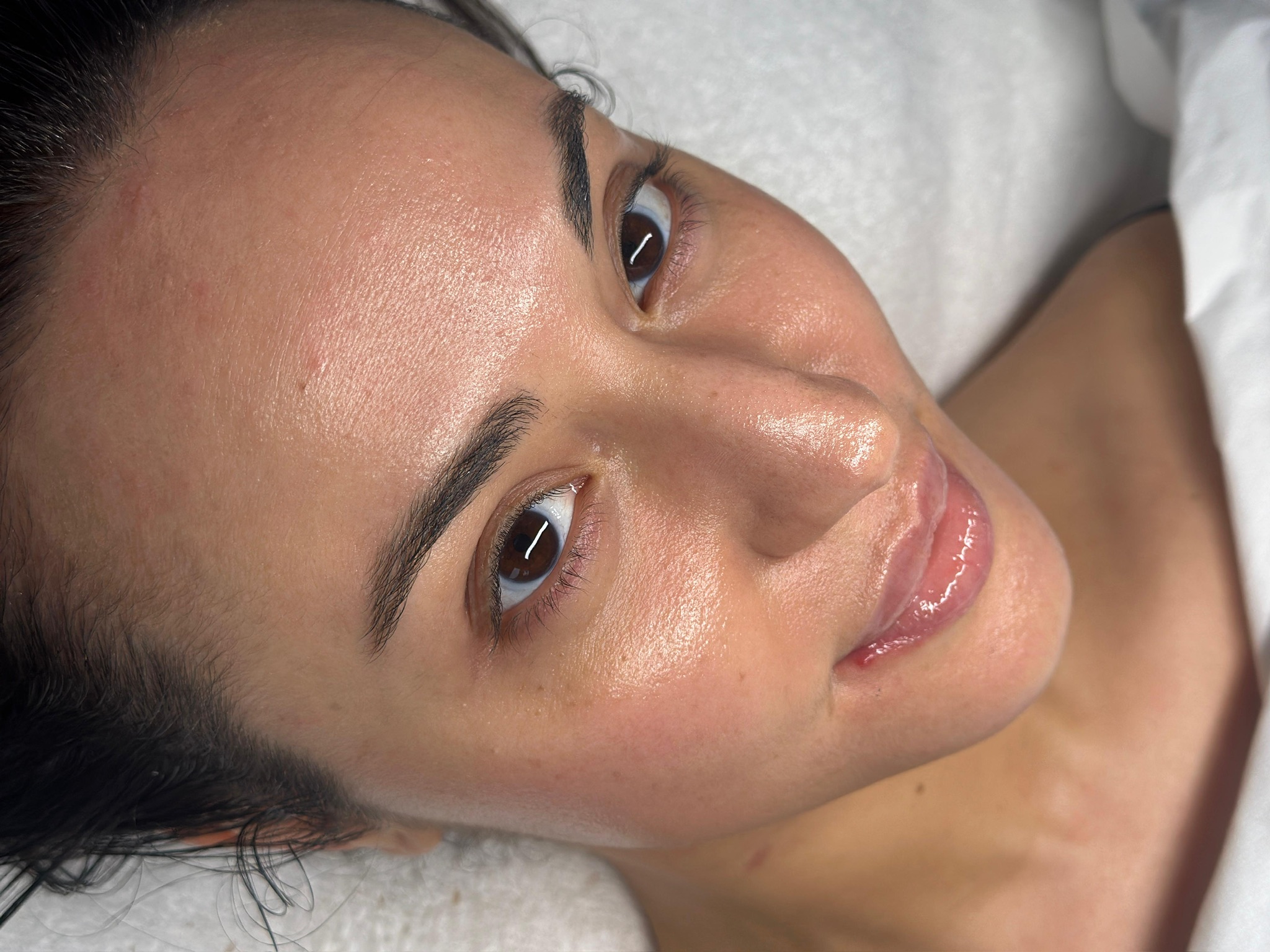
Restore deep hydration, radiance, and a healthy luminous glow with advanced skin...
Book a clinical consultation with Paula. She'll create a personalised treatment plan based on your skin goals and concerns.
Online Booking
Browse treatments, choose a date & time and secure your appointment instantly through Fresha, our secure online booking partner.
Book through FreshaFree Consultation
Prefer to chat first? Request a free, no-obligation 45-minute consultation with Paula.
Your booking request has been received. Paula will be in touch shortly to confirm your appointment.


